
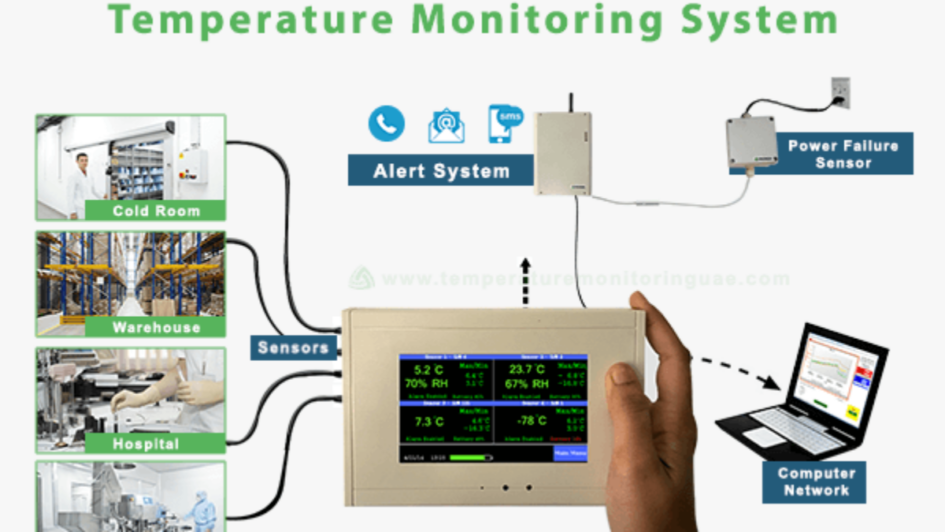
What Are the Different Types of Temperature Monitoring Systems and How Do They Work?
Temperature monitoring systems fall into three main categories: invasive core monitoring, noninvasive continuous monitoring, and heat flux thermometers. Each type uses distinct mechanisms to measure body temperature, with varying levels of accuracy, risk, and clinical application.
1. Invasive Core Temperature Monitoring: The Gold Standard
Invasive core temperature monitoring is a critical component of advanced Temperature Monitoring Systems, directly measuring internal body temperature through sensors placed inside the body. The pulmonary artery catheter represents the most accurate method within these Temperature Monitoring Systems, inserting a thermistor-equipped catheter through a central vein into the pulmonary artery to measure blood temperature at the heart’s core.
Common invasive measurement sites include:
- Esophageal probes: Positioned in the lower third of the esophagus, adjacent to the heart
- Bladder catheters: Equipped with temperature sensors to measure urine temperature
- Rectal probes: Inserted into the rectum to approximate core temperature
- Nasopharyngeal sensors: Placed through the nasal passage near the hypothalamus
These methods provide accuracy within ±0.1°C of true core temperature. The direct contact with internal tissues or blood flow ensures minimal interference from external factors like ambient temperature or skin perfusion.
The invasive nature carries significant risks. Pulmonary artery catheterization can cause cardiac arrhythmias, vessel perforation, or infection. Esophageal probes risk misplacement or tissue damage. Bladder catheters increase urinary tract infection risk.
Invasive monitoring remains essential during major surgery, cardiac procedures, and therapeutic hypothermia protocols where precision is non-negotiable. Anesthetized or critically ill patients typically receive these monitors when the benefits outweigh the procedural risks.
2. Noninvasive Continuous Temperature Monitoring: A Safer Alternative
Noninvasive continuous systems measure core temperature through skin-mounted sensors without penetrating the body. These devices calculate internal temperature by analyzing heat transfer patterns at specific anatomical sites with high arterial blood flow.
The Temple Touch Pro (TTP) positions a sensor over the temporal artery, where superficial blood vessels run close to the skin surface. The device
2. Noninvasive Continuous Temperature Monitoring: A Safer Alternative
Why are noninvasive continuous monitors gaining popularity in clinical settings?
Noninvasive continuous temperature monitoring eliminates the risks associated with invasive procedures while maintaining clinically acceptable accuracy levels. These systems use advanced skin sensors placed on specific anatomical sites—typically the temporal artery, forehead, or axilla—to approximate core body temperature without penetrating tissue or body cavities.
What devices lead the noninvasive monitoring market?
The Temple Touch Pro (TTP) and 3M™ Bair Hugger™ Temperature Monitoring System represent two prominent examples in this category. These devices employ sophisticated algorithms that compensate for the temperature gradient between skin surface and core body temperature. The sensors continuously track thermal changes and adjust readings based on environmental factors and patient-specific variables.
How accurate are noninvasive systems when comparing available temperature monitoring systems?
Clinical validation studies demonstrate that modern noninvasive monitors achieve mean biases ranging from ±0.1°C to ±0.5°C when compared against invasive gold standards. Bland-Altman analyses reveal these devices maintain acceptable limits of agreement for most clinical applications, particularly during:
- Perioperative temperature management
- Post-anesthesia recovery monitoring
- Targeted temperature management (TTM) protocols
- Continuous fever surveillance in conscious patients
What limitations affect noninvasive monitor performance?
Accuracy can diminish under specific conditions. Hypothermic states below 35°C may produce larger discrepancies between noninvasive readings and true core temperature. Sensor placement precision significantly impacts measurement reliability—even slight misalignment over the temporal artery can introduce bias. Skin thickness variations, arterial depth differences between patients, and ambient temperature fluctuations all contribute to potential measurement errors.
Which patient populations benefit most from noninvasive monitoring?
Conscious patients who cannot tolerate invasive procedures represent the ideal candidates for these systems. Pediatric populations, patients with coagulopathies, and individuals requiring long-term temperature surveillance benefit from the safety profile noninvasive devices offer. The absence of infection risk, patient discomfort, and procedural complications makes these monitors particularly valuable in ambulatory surgical centers and outpatient settings.
3. Heat Flux Thermometers: An Innovative Approach
How do heat flux thermometers measure core temperature without invasive procedures?
Heat flux thermometers employ zero-heat flux technology to estimate core temperature through the skin. These devices, exemplified by the SpotOn™ system, use dual thermistors and an insulating layer to create a thermal equilibrium between the skin surface and deeper tissue. The sensor actively heats the skin beneath it until no heat flows between the two thermistors, at which point the measured temperature approximates core body temperature.
What makes zero-heat flux technology different from standard skin sensors?
Standard skin sensors simply measure surface temperature, which can vary significantly from core temperature due to environmental factors and peripheral vasoconstriction. Zero-heat flux devices eliminate this temperature gradient by preventing heat loss from the measurement site. The insulating barrier blocks external cooling influences while the heating element ensures the skin temperature matches the underlying tissue temperature. This approach provides readings that correlate more closely with invasive core measurements than traditional skin thermometry.
Where should heat flux sensors be placed for optimal accuracy?
The forehead represents the preferred placement site for heat flux thermometers when comparing available temperature monitoring systems. This location offers several advantages:
- Direct proximity to the temporal artery and frontal sinus
- Minimal subcutaneous fat interference
- Reduced susceptibility to peripheral vasoconstriction
- Easy access in most clinical scenarios
- Stable positioning during patient movement
Proper sensor placement requires clean, dry skin and firm adhesion to maintain the zero-heat flux environment. Incorrect positioning, particularly over areas with thick hair or excessive sweating, compromises measurement accuracy.
How accurate are heat flux thermometers compared to invasive methods?
Clinical studies demonstrate that heat flux thermometers achieve accuracy comparable to bladder and esophageal temperature measurements. Bland-Altman analyses typically show mean biases ranging from ±0.2°C to ±0.4°C when compared against pulmonary artery catheter readings. The limits of agreement generally fall within ±0.5°C to ±0.8°C, making these devices suitable for most clinical applications requiring continuous temperature monitoring.
The technology performs reliably across normothermic and mild hypothermic
What Factors Should Be Considered When Choosing a Temperature Monitoring System?
Selecting the right temperature monitoring system requires balancing multiple clinical and practical considerations. The decision impacts patient safety, data quality, and workflow efficiency in ways that extend beyond simple temperature readings.
1. Accuracy and Precision
Accuracy and precision determine whether a system meets clinical requirements. The mean bias between a monitoring device and gold standard measurements (pulmonary artery or esophageal temperatures) should fall within ±0.5°C for most clinical applications. Limits of agreement, typically assessed through Bland-Altman analysis, reveal the range within which 95% of measurements fall. Systems with narrower limits of agreement provide more consistent readings across different patients and conditions.
2. Clinical Context
Clinical context shapes which monitoring approach works best. Conscious patients benefit from noninvasive systems that maintain comfort without restricting movement. Anesthetized patients undergoing major surgery may require invasive monitoring when precise temperature control prevents complications. Critical care settings managing targeted temperature management (TTM) need continuous data streams that capture rapid temperature changes during therapeutic interventions.
3. Patient-Specific Factors
Patient-specific factors influence measurement reliability in ways that vary by monitoring method:
- Skin thickness and subcutaneous fat affect heat transfer to surface sensors
- Arterial depth at sensor sites impacts temporal artery measurements
- Peripheral vasoconstriction during hypothermia reduces accuracy of extremity-based readings
- Patient movement can displace sensors and introduce measurement artifacts
- Environmental exposure (surgical drapes, ambient temperature) alters skin surface readings
4. Invasiveness versus Risk
Invasiveness versus risk creates a fundamental trade-off. Pulmonary artery catheters deliver exceptional accuracy but carry risks including arrhythmias, vessel perforation, and infection. Esophageal probes provide excellent core temperature approximation with minimal risk in intubated patients but remain inappropriate for conscious individuals. Bladder catheters serve dual purposes but respond slowly to rapid temperature changes. Noninvasive alternatives eliminate insertion risks while accepting slightly wider measurement variability.
5. Response Time
Response time matters when detecting and responding to temperature changes. Invasive core temperature sensors detect shifts within seconds to minutes. Noninvasive systems using heat flux technology may lag by several minutes as thermal equilibrium establishes between the sensor and underlying tissue. This delay becomes significant during rapid rewarming protocols or

How Do Technological Features Impact the Usability of Temperature Monitoring Devices?
Modern temperature monitoring systems have technological features that directly affect how they are used in clinical settings. These features include digital connectivity, data management capabilities, and user-friendly interfaces, which play a crucial role in helping healthcare providers effectively monitor and respond to changes in patient temperature.
Does Continuous Data Collection Improve Patient Outcomes?
Continuous temperature monitoring provides real-time tracking of thermal trends rather than isolated snapshots. This capability allows clinicians to detect gradual temperature shifts that might indicate infection, inflammation, or inadequate warming during surgery. Devices like the Temple Touch Pro and 3M™ Bair Hugger™ Temperature Monitoring System record temperature data at regular intervals, creating a comprehensive thermal profile throughout the monitoring period.
The continuous data stream proves particularly valuable during targeted temperature management protocols in critical care. Clinicians can observe how quickly patients reach target temperatures and identify rebound hyperthermia or unintended cooling. This granular visibility supports more precise interventions compared to intermittent manual measurements.
What Role Does System Integration Play in Clinical Workflow?
Connectivity features determine how seamlessly temperature data flows into existing hospital information systems. Many contemporary monitoring devices offer wireless transmission capabilities that automatically populate electronic health records and central monitoring stations. This automation reduces documentation burden on nursing staff and minimizes transcription errors.
Key integration benefits include:
- Automatic alerts when temperatures exceed preset thresholds
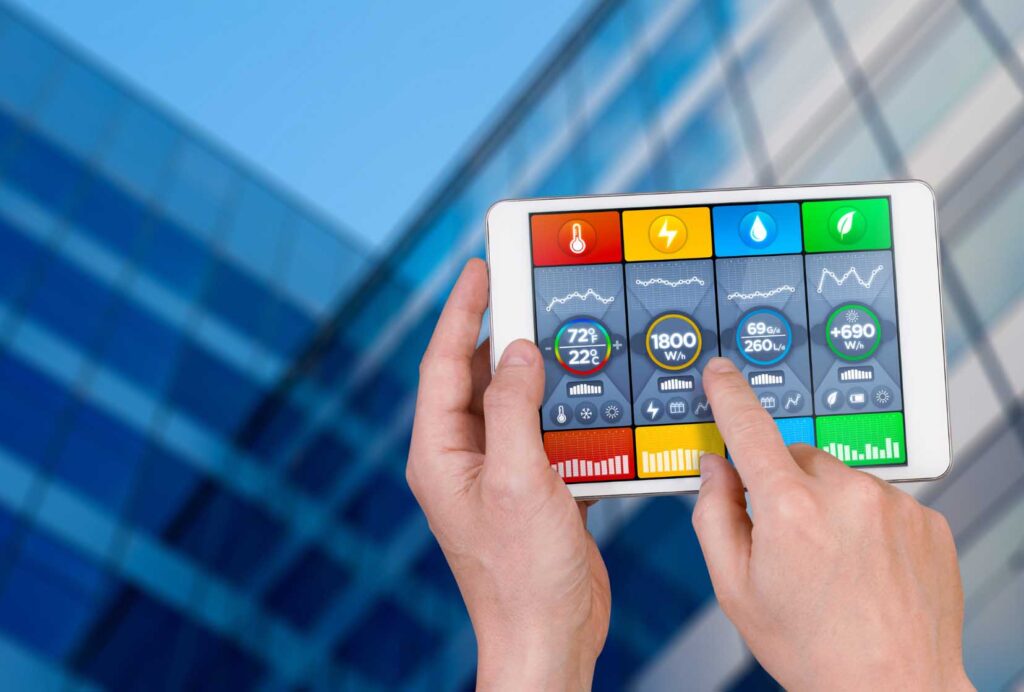
- Trend visualization on central monitoring displays
- Data export capabilities for quality improvement analysis
- Compatibility with existing vital sign monitoring platforms
Systems lacking integration capabilities require manual data entry, increasing workload and creating opportunities for documentation gaps. When comparing available temperature monitoring systems, healthcare facilities should evaluate compatibility with their current infrastructure.
How Does Sensor Design Affect Ease of Application?
The physical design of temperature sensors influences both application time and measurement reliability. Single-use adhesive sensors designed for specific anatomical sites—such as temporal artery or forehead placement—typically feature clear positioning guides that reduce placement variability. This standardization improves measurement consistency across different users and shifts.
Reusable probe systems require proper cleaning protocols between patients and may involve more complex positioning procedures. While potentially more cost-effective for high-volume settings, these systems demand additional staff training and maintenance. The choice between disposable and reusable sensors involves careful consideration of these factors.
Click here for more The Benefits of a Centralized Temperature Monitoring System
Leave a Reply