

What Is a Centralized Temperature Monitoring System and How Does It Work?
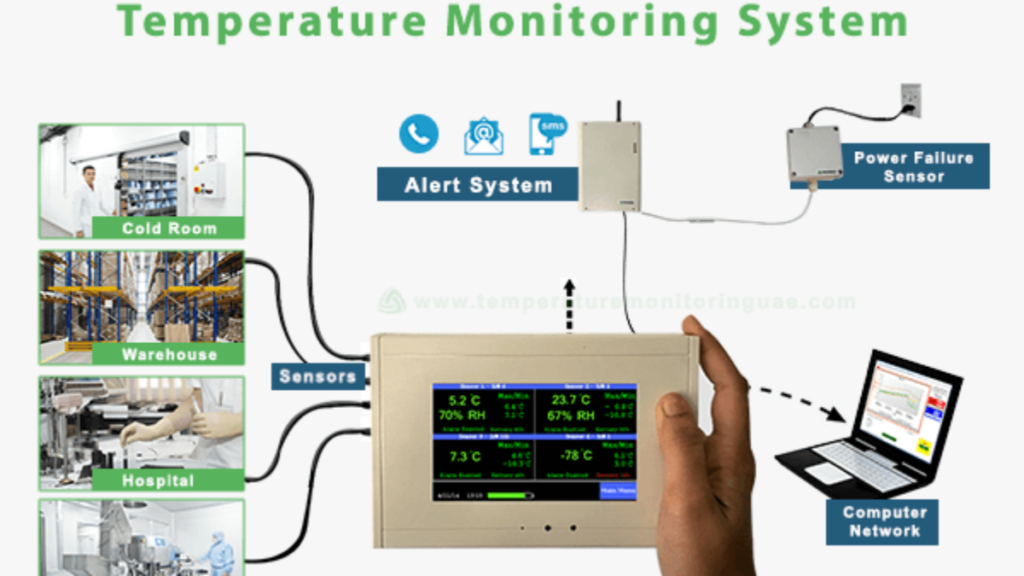
A centralized temperature monitoring system (TMS) consolidates temperature data from multiple locations into a single, unified platform. This centralized monitoring technology enables organizations to track environmental conditions across warehouses, storage facilities, laboratories, and transport vehicles simultaneously from one dashboard.
The system comprises three essential components:
- Temperature sensors that continuously measure ambient conditions at designated monitoring points
- Data loggers that record and store temperature readings at specified intervals
- Alert mechanisms that notify personnel immediately when temperatures deviate from preset thresholds
Understanding Wired vs Wireless Architecture
Traditional wired systems connect sensors directly to a central hub through physical cables, offering reliable data transmission but limited flexibility. Wireless systems use radio frequency or cellular networks to transmit data, allowing sensors to be placed virtually anywhere without infrastructure constraints. Modern wireless solutions have become the preferred choice for organizations managing distributed facilities or mobile assets like refrigerated trucks.
The Role of Cloud-Based Monitoring
Cloud-based monitoring transforms raw temperature data into actionable insights. Sensors transmit readings to cloud servers where the information is processed, stored, and made accessible through web-based interfaces or mobile applications. This architecture enables authorized personnel to view real-time conditions, generate compliance reports, and receive alerts from any internet-connected device. The cloud infrastructure also facilitates automatic data backup, eliminating the risk of lost records during equipment failures.
Some advanced systems integrate GPS tracking and humidity sensors alongside temperature monitoring, providing comprehensive environmental oversight for sensitive products throughout the supply chain. Such systems also enable real-time monitoring and response making it easier for organizations to maintain optimal conditions.
How Does a Centralized Temperature Monitoring System Improve Product Quality and Safety?
A centralized temperature monitoring system safeguards product quality control by maintaining precise environmental conditions that preserve the molecular integrity and therapeutic effectiveness of temperature-sensitive products. When pharmaceuticals, vaccines, or biological specimens experience temperature fluctuations outside their specified ranges, chemical degradation accelerates, potentially rendering these products ineffective or dangerous for patient use.
The Critical Role in Pharmaceutical Storage
Pharmaceutical storage demands unwavering temperature stability. Insulin, for instance, loses potency when exposed to temperatures above 86°F (30°C) or below 36°F (2°C). A centralized system continuously tracks these conditions across refrigeration units, providing documented proof that storage parameters remained within acceptable limits throughout the product lifecycle. This continuous verification prevents the distribution of compromised medications that could fail to deliver expected therapeutic outcomes.
Vaccines present an even more stringent challenge. The CDC’s Vaccine Storage and Handling Toolkit specifies that most routine vaccines must maintain temperatures between 35°F and 46°F (2°C to 8°C). A single temperature excursion can destroy entire vaccine batches worth thousands of dollars. Centralized monitoring systems detect deviations within minutes, triggering immediate alerts that enable staff to transfer products to backup storage before damage occurs.
Protection of Laboratory Specimens and Biological Materials
Laboratory specimens require equally rigorous temperature management. Blood samples, tissue cultures, and genetic materials deteriorate rapidly when thermal conditions shift. A research facility storing stem cell lines at -196°C in liquid nitrogen tanks cannot afford monitoring gaps. Centralized systems track these ultra-low temperatures across multiple cryogenic units, ensuring research integrity and preventing the loss of irreplaceable biological samples that may represent years of scientific work.
Food Safety and Quality Preservation
Temperature-sensitive products in the food industry face similar vulnerabilities. Fresh produce, dairy products, and frozen goods maintain their nutritional value, texture, and safety only within specific temperature ranges. A centralized system monitoring cold storage warehouses identifies equipment malfunctions before bacterial growth accelerates or freezer burn compromises product quality. This proactive approach protects both consumer health and brand reputation.
The system’s value extends to preventing pathogen proliferation. Bacteria like Salmonella and E. coli thrive in improper temperature conditions, posing serious risks to foodborne illnesses. By ensuring consistent cold chain management through centralized monitoring, businesses can mitigate these threats and uphold food safety standards mandated by regulatory bodies such as the FDA or USDA.
In summary:
How a Centralized Temperature Monitoring System Helps with Regulatory Compliance
A centralized temperature monitoring system makes regulatory compliance easier by automating the process instead of relying on manual efforts. Organizations that deal with products requiring specific temperature conditions are closely monitored by agencies such as the FDA, EMA, WHO, and CDC. These agencies expect thorough documentation of how these products are stored. With a temperature monitoring system (TMS), this documentation is generated automatically, capturing temperature data along with timestamps and storing them in secure digital records that comply with FDA standards and international regulations.
Reducing Human Error in Documentation
One of the main advantages of a centralized TMS is its ability to generate reports automatically, reducing the chances of human error in documentation. Traditional methods that rely on manual logging can result in missed readings, transcription errors, or incomplete records. However, with a centralized TMS, comprehensive reports can be generated at regular intervals or whenever needed. These reports provide auditors with complete histories of temperature readings, logs of any deviations from acceptable ranges, and records of corrective actions taken. Important information such as dates, locations, user credentials, and calibration certificates are also included in these reports.
Making Audits Easier
Preparing for audits becomes much less time-consuming when using centralized systems. When regulatory inspectors arrive, staff members can quickly access years’ worth of temperature data using searchable databases. The system organizes information based on factors such as location, time period, product type, or specific events. This organization allows auditors to verify compliance within minutes instead of spending hours going through paper logs or separate spreadsheets.
Ensuring Data Integrity During Inspections
Centralized systems ensure compliance with 21 CFR Part 11 requirements for electronic records and signatures. The platform creates an audit trail that cannot be changed, tracking every interaction by users, any changes made to the system, and modifications made to data. This level of documentation proves during inspections that data integrity is maintained and demonstrates that organizations have proper controls over their monitoring processes.
Key compliance features include:
- Automatic generation of temperature logs with secure timestamps
- Digital signature capabilities for record verification
- Tracking of calibration activities and management of certification
- Reports on deviations containing documentation of root cause analysis
- Controls over user access and hierarchies of permissions
- Backup systems for data and archival systems meeting retention requirements
Meeting Multiple Regulatory Requirements
Different regulatory bodies have different expectations when it comes to temperature monitoring. For example, the CDC has specific guidelines for storing vaccines while the EMA requires detailed monitoring of the environment in pharmaceutical manufacturing facilities. A centralized TMS can be set up in a way that it meets multiple regulatory frameworks at once. It can generate reports tailored to each agency using the same underlying data set. This capability is especially valuable for organizations operating in international markets or managing diverse products across different regions.
How Does a Centralized Temperature Monitoring System Enhance Risk Management?
A centralized temperature monitoring system transforms risk mitigation from a reactive process into a proactive strategy. The system continuously scans temperature data across all monitored locations, identifying potential issues before they escalate into costly incidents. When temperature readings approach critical thresholds, the platform triggers immediate notifications, allowing staff to intervene while products remain salvageable.
Real-time Alerts: The First Line of Defense
Real-time alerts serve as the first line of defense against temperature-related losses. These notifications reach designated personnel through multiple channels—text messages, emails, phone calls, or in-app alerts—ensuring someone always receives critical warnings. A pharmaceutical distribution center, for instance, might configure alerts to notify both on-site staff and remote managers simultaneously when a refrigeration unit shows signs of malfunction. This redundancy prevents situations where a single point of failure in communication leads to product compromise.
Advanced Detection of Temperature Deviations
The sophistication of temperature deviation detection extends beyond simple threshold breaching. Modern systems analyze patterns and trends, identifying gradual temperature drift that might indicate equipment degradation before complete failure occurs. A freezer slowly warming from -20°C to -18°C over several days signals impending compressor issues, giving maintenance teams time to schedule repairs during non-critical periods rather than facing emergency shutdowns.
Preventing Cascade Failures Through Early Detection
Temperature excursions rarely occur in isolation. A malfunctioning HVAC system in one storage area can create a domino effect, forcing adjacent units to work harder and potentially fail under increased load. Centralized monitoring reveals these interconnected risks by displaying data from all locations simultaneously. Facility managers can observe how temperature changes in one zone affect neighboring areas, enabling them to implement containment strategies before multiple systems fail.
The Importance of Granular Monitoring Intervals
The granularity of monitoring intervals directly impacts risk management effectiveness. Systems that record data every minute provide 1,440 data points per location daily, compared to 24 points from hourly checks. This density of information captures brief temperature spikes that manual monitoring would miss entirely—such as when a walk-in cooler door remains ajar for fifteen minutes during a busy shift.
Quantifying Risk Through Historical Data Analysis
The Benefits of a Centralized Temperature Monitoring System become particularly evident when examining historical data patterns. The system maintains comprehensive records of every temperature reading, creating a detailed timeline
What Operational Efficiencies Are Gained Through Centralized Temperature Monitoring?
Centralized temperature monitoring systems eliminate manual data collection tasks that traditionally consume significant staff time and resources. Automated data collection captures temperature readings at predetermined intervals without human intervention, freeing personnel to focus on value-added activities rather than routine monitoring rounds. Staff members no longer need to physically visit multiple storage units, refrigerators, or freezers throughout a facility to record temperatures on paper logs or spreadsheets.
1. Reduced Labor Costs
The automation extends beyond simple data capture. Modern systems process, validate, and store information automatically while generating reports that previously required hours of manual compilation. A pharmaceutical distribution center managing 50 refrigeration units across three buildings can reduce monitoring labor from 15 hours weekly to near zero, reallocating those resources to quality assurance or customer service functions.
2. Increased Efficiency in Decision-Making
Streamlining processes across multiple locations becomes achievable when all temperature data flows into a single platform. Organizations operating warehouses, retail locations, or healthcare facilities in different cities or countries gain unified visibility into environmental conditions. A regional hospital network can monitor vaccine storage across 20 clinics from one dashboard, identifying patterns and addressing issues without dispatching staff to each site.
3. Standardization of Protocols and Procedures
The consolidated view enables standardization of protocols and procedures. When all locations use the same monitoring infrastructure, organizations can implement uniform temperature policies, calibration schedules, and response procedures. This consistency reduces training complexity and ensures compliance standards apply equally across the enterprise.
4. Improved Inventory Management
Inventory management improves substantially through integrated temperature data analysis. Organizations can correlate storage conditions with product shelf life, expiration dates, and quality metrics. A blood bank tracking storage temperatures alongside inventory levels can prioritize distribution of units approaching expiration while ensuring optimal conditions for longer-term storage.
5. Optimization of Storage Practices
Data consolidation reveals usage patterns and storage optimization opportunities. Analytics might show that certain refrigeration units consistently operate below capacity while others remain overcrowded, enabling redistribution of inventory for better space utilization and energy efficiency. A food distributor discovered through consolidated monitoring that reorganizing cold storage by product turnover rate reduced door-open events by 40%, improving temperature stability.
6. Enhanced Traceability
The system integration capabilities connect temperature monitoring with existing enterprise resource planning (ERP) or warehouse management systems (WMS). Automated data exchange eliminates duplicate entry and creates comprehensive records linking product batches to their complete storage history. When a pharmaceutical manufacturer ships temperature-sensitive
How Can Organizations Achieve Cost Savings with a Centralized Temperature Monitoring System?
Cost savings are one of the main reasons why organizations choose to implement a centralized temperature monitoring system. By using this system, organizations can expect to see immediate financial benefits, such as reduced product loss. In fact, pharmaceutical companies have reported up to a 30% decrease in temperature-related spoilage after implementing the system.
Minimizing Product Waste and Spoilage
Temperature fluctuations can cause valuable inventory to go to waste in various industries. For example, if a hospital pharmacy experiences a freezer failure, it could result in losses exceeding $250,000 worth of vaccines and biologics. However, with a centralized temperature monitoring system in place, these catastrophic events can be prevented. The system is designed to detect any deviations in temperature within minutes instead of hours or days.
Here are some ways in which waste reduction occurs with the help of this system:
- Early detection prevents entire batches from becoming compromised
- Historical data analysis identifies patterns that lead to temperature instability
- Automated alerts enable staff to respond before products reach critical thresholds
- Documentation proves product integrity, reducing unnecessary disposal of questioned items
Food service operations also benefit from this system. A restaurant chain with 50 locations was able to save approximately $180,000 annually by preventing spoilage through proactive monitoring of their walk-in coolers and freezers.
Optimizing Energy Consumption Through Environmental Controls
Another significant opportunity for cost savings lies in improving energy efficiency. Centralized temperature monitoring systems provide organizations with insights into how their equipment is performing. This information can reveal inefficiencies that are causing utility costs to increase.
With these data-driven insights, facilities managers can take specific actions to optimize energy consumption:
- Adjusting temperature setpoints based on actual product requirements rather than overly conservative estimates
- Scheduling equipment maintenance during optimal times to prevent emergency repairs
- Replacing aging refrigeration units strategically based on performance metrics instead of arbitrary timelines
- Balancing cooling loads across multiple units to reduce peak energy demand charges
For example, a pharmaceutical distribution center was able to reduce its energy costs by 22% after analyzing temperature data patterns and making targeted upgrades to its equipment. The monitoring system had identified three refrigeration units that were operating at temperatures 15% below what was required, resulting in excessive energy consumption without any additional protection for the products being stored.
Reducing Financial Losses from Damaged Goods
When temperature-sensitive goods are damaged due to improper storage conditions, it can lead to significant financial losses for organizations. This includes costs associated with insurance claims, product recalls, and customer compensation.
By implementing a centralized temperature monitoring system, organizations can have better control over their storage processes and minimize the risk of such incidents occurring.
How Do Scalability and Flexibility Benefit Organizations Using Centralized Systems?
The Importance of Scalability
System scalability allows temperature monitoring infrastructure to grow alongside business expansion without requiring complete system overhauls. Organizations can start with monitoring a single refrigerator or cold storage unit and seamlessly add hundreds of sensors across multiple facilities as needs change. This adaptability proves particularly valuable for pharmaceutical distributors opening new warehouses, hospital networks expanding to satellite clinics, or food service companies adding production lines.
The Role of Modular Design
The architecture of modern centralized systems supports incremental growth through modular design. Adding new monitoring points requires minimal disruption to existing operations—technicians simply install additional sensors that automatically connect to the central platform. This approach eliminates the need for parallel systems or disconnected monitoring solutions that create data silos and complicate oversight.
Meeting Industry-Specific Needs
Customizable monitoring solutions address the unique requirements of different industries and storage environments. A blood bank needs different temperature thresholds and alert protocols than a restaurant chain’s walk-in freezers. Centralized platforms allow administrators to configure specific parameters for each monitored location:
- Custom alert thresholds based on product requirements
- Varied monitoring intervals from continuous tracking to periodic checks
- Role-based access controls limiting data visibility by department or location
- Tailored reporting formats matching internal documentation standards
Streamlining Operational Workflow
Software integration capabilities represent one of the benefits of a centralized temperature monitoring system that directly impacts operational workflow. Modern platforms connect with existing enterprise systems through APIs and standard protocols, creating a unified data ecosystem. Integration with inventory management software enables automatic correlation between temperature excursions and affected product batches, streamlining recall procedures and loss documentation.
Quality management systems benefit from direct temperature data feeds that populate compliance records automatically. When integrated with building management systems, temperature monitoring platforms can trigger HVAC adjustments before conditions drift outside acceptable ranges. Electronic health record systems in hospitals can receive real-time environmental data for patient rooms and surgical suites, creating comprehensive documentation trails.
Accommodating Diverse Storage Requirements
The flexibility to deploy hybrid monitoring approaches suits organizations with diverse storage requirements. Some facilities may use wired sensors for critical vaccine freezers requiring redundant power sources, while wireless sensors monitor standard refrigeration units. The centralized platform aggregates data from both deployment types into a single dashboard, maintaining consistent oversight regardless of underlying technology.
Cloud-based platforms enhance flexibility by enabling access from any location with internet connectivity. Furthermore, this flexibility is not just limited to the scale or type of deployment but extends to the adaptability in meeting diverse operational needs across various sectors.
Why Is Centralized Temperature Monitoring Critical in Healthcare Settings?
Healthcare facilities face unique challenges where even minor temperature deviations can compromise patient safety and treatment outcomes. Healthcare temperature monitoring systems provide the precision and reliability needed to protect life-saving therapies and biological materials.
What Makes Temperature Control Essential for Medical Products?
Medication integrity depends entirely on maintaining manufacturer-specified storage conditions throughout the supply chain. This is crucial for ensuring drug supply chain integrity. Vaccines lose potency when exposed to temperatures outside their narrow acceptable range, rendering immunizations ineffective and potentially putting vulnerable populations at risk. Insulin, biologics, and chemotherapy drugs undergo chemical changes when stored improperly, transforming therapeutic agents into ineffective or even harmful substances.
Blood products and tissue specimens require equally stringent controls. Red blood cells stored above 6°C develop bacterial growth, while platelets stored below 20°C lose their clotting capabilities. Organ transplant tissues and research specimens represent irreplaceable biological materials where temperature excursions mean complete loss of viability.
Operating rooms, intensive care units, and neonatal wards maintain specific environmental conditions that directly impact patient outcomes. Surgical site infections increase when operating room temperatures fall outside optimal ranges, while premature infants in NICUs require precise thermal environments to support their underdeveloped thermoregulation systems.
How Does Remote Monitoring Address Clinical Staff Challenges?
Traditional temperature monitoring systems create significant burdens for healthcare workers already managing complex patient care responsibilities. Manual temperature checks require staff to physically visit multiple storage locations throughout their shifts, documenting readings on paper logs that consume valuable time better spent on direct patient care.
Alarm fatigue represents a serious concern in healthcare environments where staff members encounter hundreds of alerts daily. Local alarm systems attached to individual refrigerators or freezers often go unheard during busy periods or overnight shifts when fewer personnel are present. Critical temperature excursions may continue for hours before discovery, resulting in substantial product losses.
Centralized systems equipped with remote monitoring capabilities transform this dynamic by:
- Sending alerts directly to designated personnel via mobile devices regardless of their physical location
- Differentiating between minor fluctuations and critical deviations requiring immediate intervention
- Creating hierarchical notification protocols that escalate alerts when initial responders don’t acknowledge alarms
- Providing real-time dashboard access that allows supervisors to verify conditions
What Future Trends Are Shaping Centralized Temperature Monitoring Systems?
1. IoT in temperature monitoring
IoT in temperature monitoring is transforming how organizations connect and manage their environmental data. Modern systems now integrate Internet of Things devices that communicate seamlessly across networks, creating interconnected ecosystems where sensors, refrigerators, freezers, and storage units share information in real-time. This enhanced connectivity allows facilities to monitor hundreds or thousands of data points simultaneously without the infrastructure limitations of traditional wired systems.
- Wireless IoT sensors eliminate the need for extensive cabling, making installation faster and more cost-effective across sprawling facilities or multiple locations.
- These devices can be deployed in hard-to-reach areas, temporary storage spaces, or mobile units without compromising data integrity.
- The technology supports automatic firmware updates and remote configuration changes, reducing maintenance requirements and extending system lifespan.
2. AI-driven analytics
AI-driven analytics are revolutionizing how organizations interpret temperature data and respond to potential issues. Machine learning algorithms analyze historical patterns to predict equipment failures before they occur, identifying subtle changes in temperature stability that might indicate a compressor wearing out or a door seal degrading. These predictive capabilities shift maintenance from reactive to proactive, preventing costly product losses.
- Artificial intelligence enhances alarm management by learning normal operating patterns and distinguishing between critical alerts and benign fluctuations.
- The technology reduces false alarms by up to 80% in some implementations, addressing the alarm fatigue problem that plagues many facilities.
- Smart algorithms can differentiate between a brief door opening during routine access and a genuine equipment malfunction requiring immediate attention.
- AI systems also optimize energy consumption by analyzing usage patterns and environmental conditions.
- The algorithms automatically adjust cooling cycles based on factors like ambient temperature, door access frequency, and product load, maintaining safety standards while minimizing electricity costs.
- Some advanced systems can even coordinate with building management platforms to balance HVAC loads across entire facilities.
3. Future healthcare technologies
Future healthcare technologies are pushing temperature monitoring systems toward greater integration and intelligence. Blockchain technology is emerging as a solution for creating immutable audit trails of temperature data, particularly valuable for vaccine distribution and clinical trial materials where chain-of-custody documentation is paramount. This distributed ledger approach ensures data cannot be altered retroactively, strengthening regulatory compliance and building stakeholder confidence.
Edge computing capabilities are being incorporated into monitoring systems, allowing data processing to occur locally at the sensor level rather than relying solely on cloud-based solutions. This reduces latency in decision-making processes and enables real-time responses to temperature deviations even in situations with limited internet connectivity.
Conclusion
The benefits of a centralized temperature monitoring system extend across virtually every industry where temperature-sensitive materials require protection. From pharmaceutical manufacturers safeguarding vaccine potency to food distributors preventing spoilage, these systems have become indispensable infrastructure for quality assurance and operational excellence.
The centralized TMS advantages create a compelling case for adoption: enhanced product safety, streamlined regulatory compliance, proactive risk management, operational efficiency gains, and measurable cost reductions. Healthcare facilities experience improved patient outcomes through reliable medication storage, while laboratories protect irreplaceable research specimens. Distribution networks maintain cold chain integrity from warehouse to final delivery point.
Technology continues advancing these capabilities. IoT integration and AI-driven analytics are transforming basic monitoring into intelligent environmental management systems that predict issues before they escalate. Cloud platforms enable seamless data access across global operations, supporting decision-making at every organizational level.
Yet implementation success depends on thoughtful planning. Organizations must assess their specific requirements:
- Scale of operations – single facility versus multi-site deployments
- Product sensitivity – acceptable temperature ranges and excursion tolerances
- Regulatory environment – documentation and validation requirements
- Integration needs – compatibility with existing quality management systems
- Budget constraints – initial investment versus long-term savings
A benefits summary reveals that centralized monitoring delivers value beyond temperature control alone. These systems generate actionable data insights, reduce staff workload through automation, and provide audit-ready documentation that simplifies compliance verification. The return on investment manifests through prevented losses, optimized energy usage, and enhanced reputation for quality.
Organizations that match system capabilities to operational realities position themselves for sustainable success. The question is no longer whether centralized temperature monitoring adds value, but rather which configuration best serves each organization’s unique protection requirements and growth trajectory.
Click here for more Comparing Available Temperature Monitoring Systems
Leave a Reply